How to Clean Ceilings: A Comprehensive Expert Guide
Cleaning ceilings can be a challenging task due to their height and the delicate nature of some ceiling surfaces. Proper cleaning helps maintain a fresh, bright appearance and can improve indoor air quality by removing dust, cobwebs, stains, and grime.
- Identify Your Ceiling Type
The cleaning method depends on the ceiling material:
- Painted drywall or plaster ceilings
- Textured ceilings (e.g., popcorn or stippled)
- Wood ceilings or beams
- Tile ceilings (acoustic or decorative)
- Metal ceilings
2. General Preparation and Safety
- Protect your floors and furniture: Use drop cloths or plastic sheeting.
- Use proper equipment: A sturdy ladder or step stool, microfiber dusters with extendable handles, and soft cloths.
- Wear protective gear: Safety goggles, dust mask, and gloves.
- Test a small area: Especially for textured or painted ceilings, to avoid damage or discoloration.
3. Dusting Ceilings
Tools:
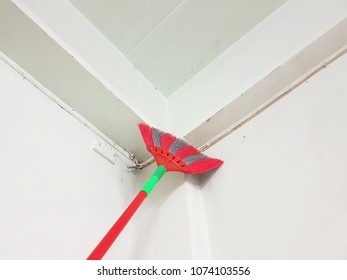
- Extendable microfiber duster or broom with a soft cover
- Vacuum cleaner with brush attachment
Method:
- Gently dust the ceiling to remove loose dirt, dust, and cobwebs.
- Use slow, sweeping motions to avoid dislodging texture or paint.
- Vacuum can be used carefully on flat ceilings to remove dust.
4. Cleaning Painted or Flat Ceilings
Materials Needed:
- Mild dish soap or gentle all-purpose cleaner
- Warm water
- Soft sponge or microfiber cloth
- Bucket
Steps:
- Mix a few drops of mild dish soap in warm water.
- Dip sponge or cloth in solution and wring out well to avoid drips.
- Starting from one corner, gently wipe the ceiling in small sections.
- Avoid saturating the ceiling to prevent water damage or stains.
- Rinse sponge frequently and change water if dirty.
- Dry with a clean towel or allow to air dry.
5. Cleaning Textured or Popcorn Ceilings
Important:
- Avoid using water or liquid cleaners as moisture can damage texture or cause it to fall off.
- Use dry cleaning methods only.
Methods:
- Use a dry microfiber duster or vacuum with brush attachment.
- For stubborn dust, use a soft brush gently.
- If stains are present, spot clean carefully with a barely damp sponge, testing first.
- Cleaning Wood Ceilings
Materials Needed:
- Wood cleaner or mild soap solution
- Soft cloth or sponge
Steps:
- Dust the wood ceiling thoroughly.
- Wipe with a cloth dampened with wood cleaner or mild soap solution.
- Dry immediately to prevent moisture damage.
- Cleaning Ceiling Tiles
Materials Needed:
- Mild detergent or tile cleaner
- Soft cloth or sponge
- Water
Steps:
- Dust tiles gently.
- Wipe with a damp cloth soaked in mild detergent solution.
- Rinse with clean water.
- Dry with a towel.
- Removing Stains and Mold
- Water stains: Use a stain-blocking primer after cleaning to prevent recurrence.
- Mold or mildew: Use a mixture of one part bleach to three parts water; apply carefully with ventilation and protective gear.
- Grease stains: Use mild dish soap solution.
9. Tips for Ceiling Cleaning
- Clean ceilings at least once a year or more often in kitchens and bathrooms.
- Avoid harsh scrubbing to prevent damage.
- Use extension tools to avoid overreaching and accidents.
- For high or difficult ceilings, consider hiring professional cleaners.
Summary Table: Ceiling Cleaning Methods by Type
| Ceiling Type | Cleaning Method | Tools Needed | Key Tips |
| Painted/Flat | Mild soap solution, gentle wipe | Sponge, microfiber cloth | Avoid excess water, dry quickly |
| Textured/Popcorn | Dry dusting or vacuum | Microfiber duster, vacuum | Avoid moisture, gentle handling |
| Wood | Wood cleaner, soft wipe | Soft cloth, wood cleaner | Dry immediately, avoid water damage |
| Ceiling Tiles | Mild detergent wipe | Soft cloth, sponge | Dry thoroughl |
Jandy